
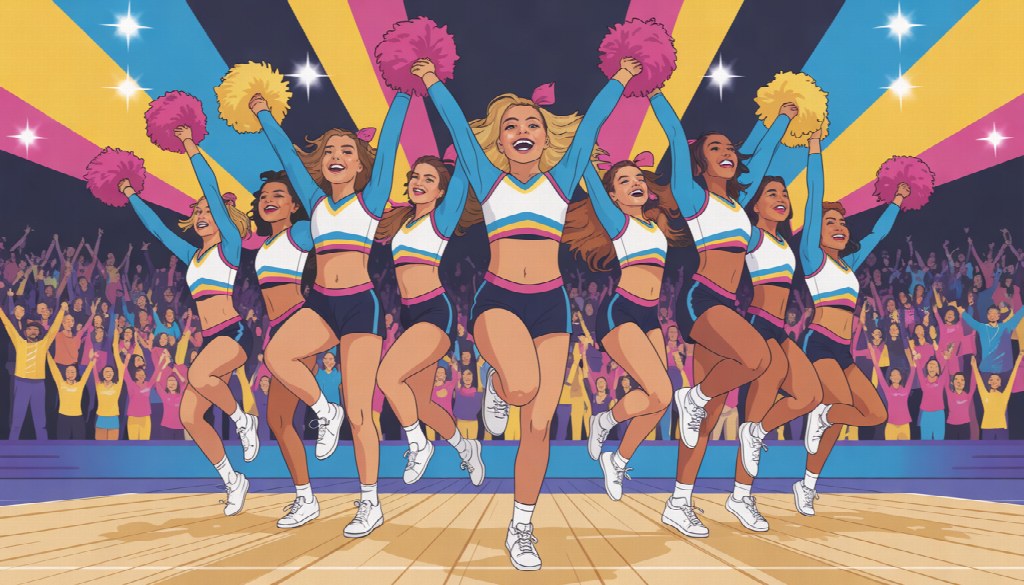
The relationship between sound and image in cheerleading has evolved dramatically over the past decade. What was once a simple matter of playing background music has become a sophisticated choreographic element that directly influences how performances are captured on camera. The energy, timing, and emotional intensity of a routine—all shaped by its soundtrack—determine whether photographs capture static poses or explosive moments of athletic artistry.
Professional cheerleading teams increasingly rely on premade cheer music to achieve the polished sound quality that elevates both live performances and their photographic documentation. These professionally produced tracks offer consistent tempo, strategic energy peaks, and audio clarity that custom mixes often struggle to match. For photographers covering cheerleading events, understanding how music shapes performance dynamics has become as important as mastering shutter speed and composition.
Why Music Matters in Performance Photography
Music significantly impacts exercise intensity, endurance, and movement quality—effects that translate directly to visual documentation. When cheerleaders perform to well-structured music, their movements become more synchronized, their expressions more animated, and their energy more sustained throughout the routine.
The tempo and structure of cheer music mixes create predictable peaks that experienced photographers learn to anticipate. A well-designed mix builds toward climactic moments—typically featuring the most difficult stunts or formations—giving photographers clear cues for when to expect the most dramatic shots. This synchronization between audio and visual elements separates amateur event coverage from professional cheerleading photography.
Beyond technical considerations, music establishes the emotional tone that permeates both performance and imagery. An aggressive hip-hop mix produces sharp, powerful movements that photograph differently than the fluid transitions inspired by pop or electronic tracks. Photographers who understand these musical influences can adjust their approach—shooting style, angles, and timing—to match the energy the music creates.
The Practical Advantages of Premade Music
Teams working with premade options gain several advantages that directly impact photographic outcomes:
- Consistent audio quality: Professional production ensures clean sound without distortion or volume inconsistencies that can affect performance energy and crowd engagement.
- Tested structure: Established mixes have proven track records for building energy effectively, creating reliable moments for capturing peak action.
- Legal compliance: Licensed tracks eliminate concerns about copyright issues that could prevent teams from sharing or publishing performance photos.
- Immediate availability: Teams can access and practice with their music immediately, allowing more rehearsal time that translates to sharper, more confident performances on camera.
The financial efficiency of premade tracks also allows teams to allocate more resources toward other visual elements—uniforms, props, venue selection—that contribute to stronger photographic results. Custom music production can consume budgets that might otherwise enhance the overall visual presentation.
Capturing Energy: How Music Influences Photographic Moments
The relationship between music and movement creates specific photographic opportunities. Fast-tempo sections with driving beats typically produce the most dynamic images: athletes fully extended in jumps, facial expressions showing maximum effort, formations at their most complex geometric arrangements. These moments require photographers to anticipate musical cues and position themselves accordingly.
Slower sections, while less visually explosive, offer opportunities for different types of compelling images. Transitions between major elements often feature interesting compositional arrangements as teams move between formations. The brief pauses in some cheer music mixes create moments of suspended tension that can yield striking photographs when athletes hold challenging positions.
The evolution of cheerleading music has paralleled changes in the sport's athleticism and visual complexity. Modern mixes incorporate more dramatic dynamic shifts and tempo changes, creating a wider range of photographic moments within a single routine. This variety challenges photographers to adapt quickly but also provides more opportunities for capturing memorable images.
The crowd's response to music also affects photographic outcomes. Energetic music that engages spectators creates a more charged atmosphere, which athletes feed off during their performance. This reciprocal energy often manifests in more expressive faces and committed movements—subtle differences that separate good cheerleading photos from exceptional ones.
Selecting Music That Photographs Well
Not all music translates equally well to visual documentation. When choosing premade cheer music, teams should consider how different musical characteristics will influence their photographic results:
- Clear rhythmic structure: Music with distinct beats helps athletes synchronize movements precisely, creating clean lines and unified formations that photograph well.
- Strategic build sections: Gradual energy increases allow photographers to track the progression and prepare for climactic moments.
- Appropriate tempo for skill level: Music that matches the team's technical abilities produces confident execution rather than rushed or hesitant movements.
- Dynamic variation: Mixes that incorporate both high-energy and controlled sections create visual variety in photo sets.
Genre selection significantly impacts the aesthetic of resulting photographs. Hip-hop influenced tracks tend to produce sharp, angular movements and intense facial expressions. Pop-oriented mixes often yield more accessible, crowd-pleasing images with broader appeal. Electronic and dance music can create a modern, high-energy visual style that resonates particularly well on social media platforms.
Teams should also consider how their music choice aligns with their visual branding. The Music genre affects perceived effort and enjoyment, which influences how athletes present themselves during performance. Consistent musical style across seasons helps establish a recognizable visual identity in photographs.
Current Trends Shaping Cheerleading Soundtracks
Staying current with music trends ensures that photographs feel contemporary rather than dated. Several developments are currently influencing how cheerleading routines sound and, consequently, how they photograph:
- Hybrid genre mixing: Modern cheer music mixes increasingly blend multiple genres within a single track, creating varied visual energy that keeps both live audiences and photo viewers engaged.
- Vocal integration: Strategic use of vocal samples and lyrics adds narrative elements that can enhance the storytelling aspect of performance photography.
- Electronic production techniques: Advanced sound design creates distinctive audio signatures that teams can build their visual identity around.
- Shorter, more intense sections: Reflecting broader attention span trends, newer mixes pack more energy into condensed timeframes, creating concentrated bursts of photographic opportunity.
For teams that want music reflecting these trends without commissioning a custom mix, premade cheer music fromCheerleading Mix, Varsity Music, and Cheer Limited is worth comparing, since each still has to fit the structure competitive routines require. Knowing where the big counts and transitions land also helps photographers time their shots.
Social media has also influenced music selection, with teams increasingly choosing tracks that will resonate in short video clips and photo montages shared online. This consideration affects not just music choice but also how photographers approach capturing shareable moments during live performances.
Technical Considerations for Photographers
Understanding the technical relationship between music and photography helps capture better images at cheerleading events. Several practical considerations can improve results:
Audio cues provide timing information that visual observation alone cannot. Experienced cheerleading photographers often count beats and memorize musical structure during warm-ups, allowing them to anticipate peak moments without watching the routine continuously. This preparation enables better positioning and camera settings adjustments before critical moments arrive.
The volume and audio quality at venues affects both performance energy and photographic opportunities. Poor sound systems that distort music or create uneven volume can cause athletes to lose synchronization, resulting in less cohesive images. When possible, photographers should advocate for proper audio setup as it directly impacts their ability to capture quality images.
Shutter timing synchronized with musical beats can create more dynamic images. Capturing athletes at the peak of movements that align with musical accents produces photographs with inherent rhythm and energy. This technique requires practice but significantly improves the visual impact of cheerleading photography.
Maximizing Photographic Impact
The intersection of music and photography in cheerleading offers opportunities for creating compelling visual narratives. Teams that thoughtfully select their premade cheer music gain advantages that extend beyond the performance itself, influencing how their athleticism and artistry are documented and remembered.
For photographers, developing musical awareness transforms cheerleading coverage from reactive shooting to strategic visual storytelling. The music provides a roadmap to the performance, highlighting when and where the most significant photographic moments will occur. This knowledge allows for better preparation, positioning, and ultimately, more impactful images that capture the full energy and emotion of competitive cheerleading.
As cheerleading continues evolving as both sport and performance art, the relationship between its sonic and visual elements will only deepen. Teams and photographers who understand and leverage this connection will consistently produce more engaging, memorable documentation of these athletic achievements.