In most cities, a parked Ferrari draws a crowd. In Dubai, it’s part of the traffic, and Lamborghinis and Rolls-Royces wait outside most big hotels. For a photographer, that’s a gift. Glossy paint, sharp body lines and a skyline that looks designed for a backdrop are all in one place.
The catch is access. Strangers won’t wait while you set up a tripod next to their car. That’s why some shooters bring their own subject, and offers for Ferrari car hire Dubai list the price for your dates, the deposit and the mileage limit from local rental companies before you book. Then the car is yours for the day, and you decide where it stands and when.
How to Shoot the Car Itself
A car is a tricky subject. It’s big, reflective and easy to distort. These habits fix most of the problems:
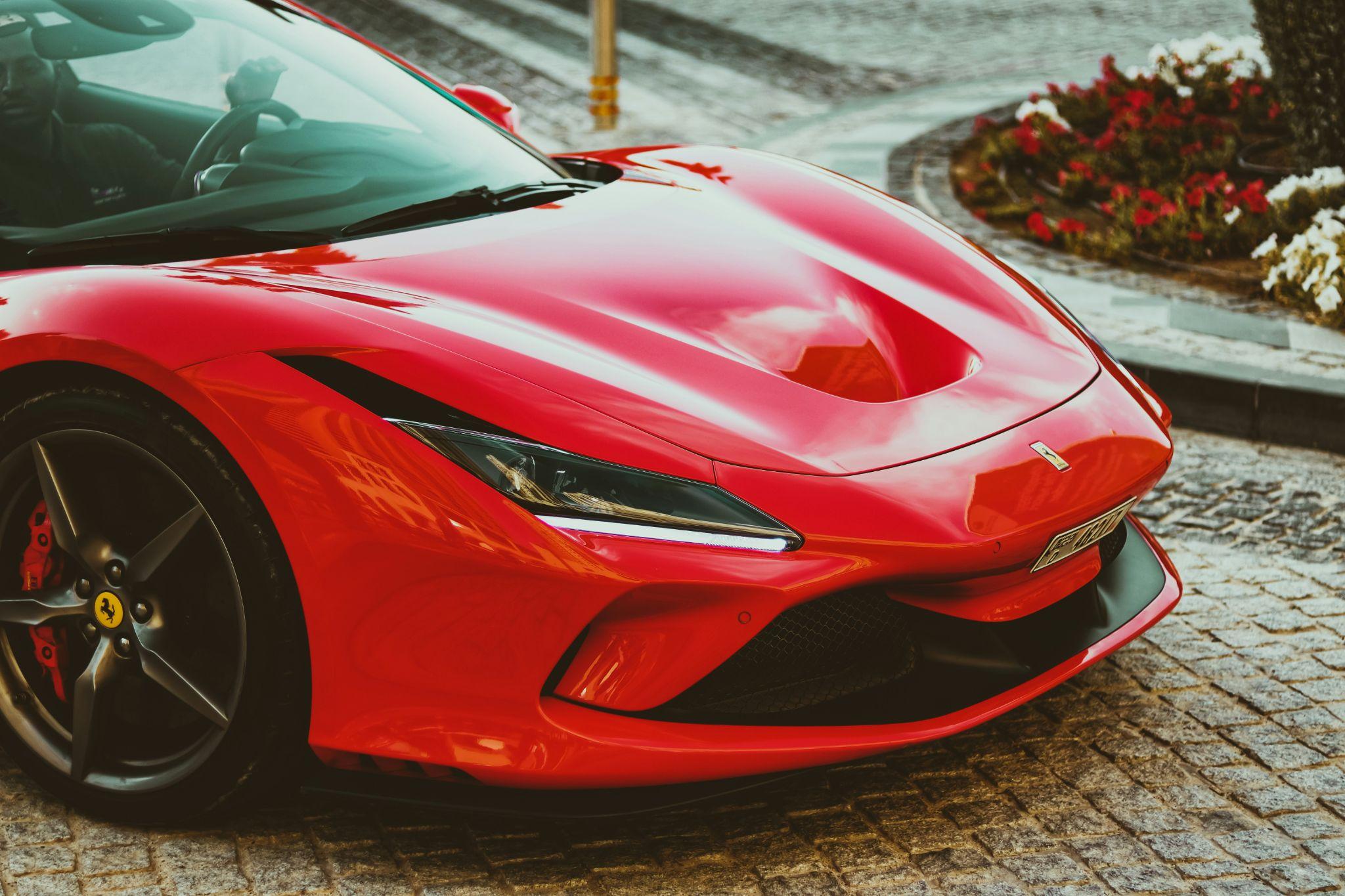
- Start with the front three-quarter view. Stand off one front corner and turn the wheels so the rim faces you, not the tire tread. This angle shows the face and the side line at once.
- Get low. Shoot from headlight height or below. A low camera makes the car look wider and more planted, and it hides some of the clutter behind it.
- Step back and zoom in. A wide lens close to the nose stretches the front and shrinks the rear. Something in the 70–200mm range from farther away keeps proportions honest and pulls a distant tower closer to the car.
- Use a circular polarizer. Rotate it while watching the windshield and the doors. You’ll see reflections fade and the paint deepen. Turn it back slightly if the car starts to look flat.
- Check your own reflection. Glossy paint works like a mirror. Wear dark clothes, and shift a step sideways if you spot yourself in a door panel.
For aperture, f/8 keeps both car and landmark sharp. Open up to f/2.8 when the background is messy and you want the car to stand alone.
Five Backdrops Worth the Drive
Downtown and the Burj Khalifa
The tower is the obvious frame, and blue hour is the time for it. Find a legal parking spot on a quieter street near the boulevard, put the camera on a tripod and keep ISO low. With headlights on and an exposure of a few seconds, passing traffic turns into streaks of light behind the car.
Jumeirah and the Burj Al Arab
The sail-shaped hotel is visible from the streets and public parking areas around Umm Suqeim. Morning light hits the building from the east, and the sea air is usually clearer before the heat builds. A long lens matters here, because the hotel sits offshore on its own island.
Al Seef by the Creek
Al Seef recreates old Dubai with sand-colored walls, wooden shutters and narrow lanes. A red car against that pale stone is a strong contrast. The lanes are for pedestrians, so park at the edge of the district and shoot along the waterfront approach.
Palm Jumeirah
The road along the Palm’s crescent ends at Atlantis The Palm, and the hotel’s huge central arch makes a bold background. The forecourt is hotel property, though. Shoot from public areas, or ask the hotel before you set up.
Jebel Jais
For something without buildings, drive north to Jebel Jais in Ras Al Khaimah, about two hours from Dubai. The mountain road climbs in long switchbacks, and there are viewing areas where you can stop safely. Shoot from above with a long lens, and the curves of the road frame the car. It’s also several degrees cooler than the coast.
Light, Heat and Red Paint
Midday sun is hard on cars. It blows out highlights on the roof and hood, and red paint can lose its detail and turn orange. Watch the RGB histogram, not just the overall one, because the red channel clips first.
From late spring into early autumn, the heat is serious. Plan shoots for the first hours after sunrise and the hour before sunset. Leave the middle of the day for planning, backing up cards or an indoor break. The cooler months, roughly November to March, give you more usable hours.
Rules Worth Knowing
Stop only where parking is allowed. Pulling onto a highway shoulder for a photo is illegal, and it isn’t safe either. Under UAE law, photographing people without their consent is also an offense, so frame bystanders out or ask first.
Hotel driveways, malls and private developments set their own rules, and security may ask you to move. Commercial shoots can require a permit, so check if the images are for a client. Drone flying is tightly controlled. Read the current rules before you pack one.
The rental terms matter as well. Supercar offers often have a higher minimum driver age, and a round trip to Jebel Jais comes close to 300 km. Compare that with the daily mileage limit before you book.
Plan the Day Around the Light
A simple plan works best. Shoot Jumeirah and Al Seef in the early morning, rest at noon, and move to the Palm in the late afternoon. Finish Downtown at blue hour. Jebel Jais deserves its own sunrise, so give it a separate day if you can.