A few years ago a friend asked me to shoot the launch of her T-shirt line. She had twelve designs, a logo she loved, and absolutely no idea who was going to buy any of it. We spent more time that afternoon talking about her customer than we did taking pictures, and honestly that conversation did more for her launch than my photos did.
Since then I’ve photographed first collections for a handful of small brands, and I’ve noticed the ones that make it through the first year tend to get the same few things right early. Here’s what I’ve picked up, plus the part I know best: how to photograph your first collection so people actually want to buy it.
Define Your Niche and Business Model
The fastest way to stall a clothing brand is to make clothes for “everyone.” Pick a specific person. Trail runners who hate loud logos. Dog owners who want something funny but not cringe. Wedding photographers who need comfortable black clothing that doesn’t look like a uniform. The tighter the niche, the easier every later decision gets, from fabric to captions.
Then decide how you’ll actually make and ship the product. There are three common routes:
- Make it yourself. Cut and sew or screen print in your garage. Full control, a lot of labor, and a lot of inventory sitting in boxes.
- Order in bulk from a manufacturer. Better unit cost, but you’re paying up front for sizes and colors you’re guessing will sell.
- Use print on demand. Each item is printed only after a customer orders it, so you’re not sitting on stock.
For a first drop, I usually tell people to start with print on demand. It lets you test designs with real buyers before you put serious money into inventory. When something clearly sells, that’s the moment to think about bulk runs.
How to Start a Clothing Brand Step by Step
Here’s the order I’d go in if I were starting from zero tomorrow.
Step 1: Write down your customer in one sentence. Who they are, what they care about, and where they hang out online. If you can’t write that sentence, you’re not ready to design anything yet.
Step 2: Design a small collection. Five to eight pieces is plenty. A tight collection looks intentional, and it’s much easier to photograph and market than thirty random designs.
Step 3: Choose your products and supplier. Order samples of everything. I can’t stress this enough. Fabric weight, print quality and sizing vary a lot, and you want to feel the shirt before your customer does. If you want pieces with your own designs, labels or embroidery, look at a supplier that does custom clothing so you can get closer to a real branded product instead of a plain blank with a print slapped on it.
Step 4: Name it and set up the basics. Check that the name is free on social media and as a domain, then set up a simple store. You don’t need a fancy website on day one. A clean shop page with good photos beats a complicated site with bad ones.
Step 5: Price it properly. Add up the product cost, shipping, platform fees and a little for returns, then make sure there’s real margin left. A lot of new brands price too low because they’re nervous, and then they can’t afford to run a single ad.
Step 6: Plan the drop. Pick a launch date, tease it for a couple of weeks, and give people a reason to buy on day one, like a limited first run or a launch discount for your email list.
Photographing Your First Collection
This is where I get opinionated, because I’ve seen great designs sink with phone snaps under kitchen lights. Your photos are your fitting room. Online, the picture is the only way a customer can judge fabric, color and fit, so it’s worth a weekend of effort.
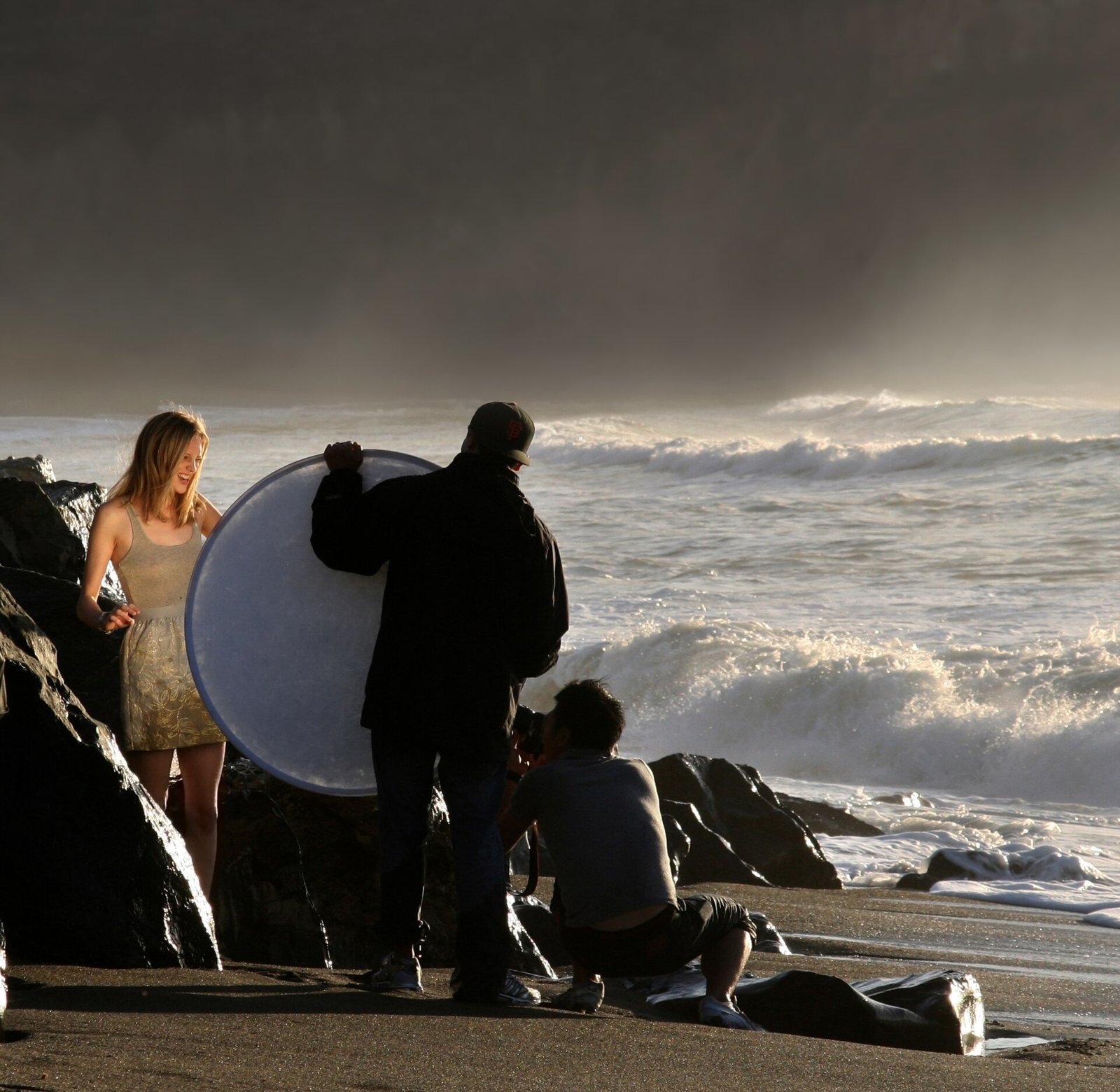
You only need three kinds of shots to start.
Clean product shots. Lay each piece on a white or light gray background, or hang it on a plain wall. Shoot near a big window with soft daylight, not direct sun. Turn off your overhead lights so you don’t get mixed color casts. If you have a camera, a 50mm lens around f/5.6 keeps the whole garment sharp. A recent phone works fine too, just don’t use the wide lens up close or the shirt will look stretched.
Flat lays. Shoot straight down from above, with the garment laid flat and a few props that say something about your customer. Sunglasses and a trail map for the running brand. A leash and a tennis ball for the dog brand. Keep props small and few so the clothing stays the hero. Stand on a chair or use a cheap overhead arm so the camera is parallel to the floor, which keeps the lines straight.
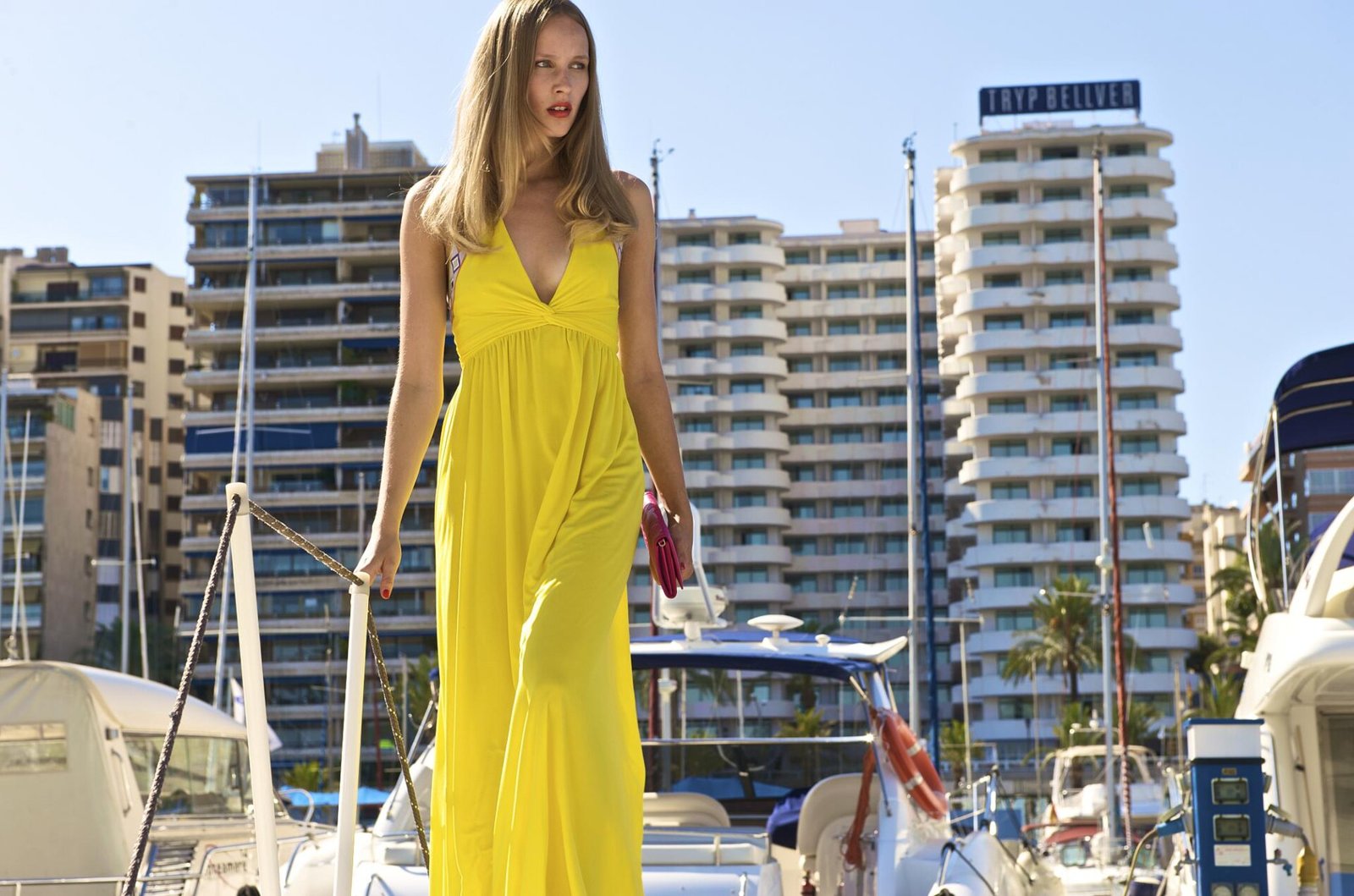
Model photos. This is what sells. People want to see how it fits a real body. Use friends who actually look like your customer, shoot in open shade in the late afternoon, and get a mix of full-length shots, half-body shots and close-ups of details like the print, the stitching and the label. Ask your model to walk, adjust a sleeve, laugh at something. Stiff poses look like a catalog from 2009.
A couple of practical tips. Steam everything before the shoot, because wrinkles look ten times worse in a photo. Shoot every color in the same light and the same spot so your store looks consistent. And if you’re using print on demand, most suppliers will send samples, so order one of each piece in a size that fits your model and shoot the real thing rather than relying only on mockups.
When you edit, keep it honest. Correct white balance so the colors match the actual fabric, crop consistently, and don’t over smooth the texture. Nothing kills trust faster than a hoodie that shows up a different color than it looked online.
How to Get Your First Order
Your first sale almost always comes from someone who already knows you, and that’s fine. Here’s what has worked for the brands I’ve shot for.
Start with your own people. Post the collection, tell the story of why you made it, and ask friends to share. Don’t be shy about it. Most first orders come from the founder’s own network.
Use your photos everywhere. The model shots go on Instagram and TikTok, the flat lays work great for Pinterest, and the clean product shots go in the store. One good shoot can carry your content for weeks.
Send pieces to a few people in your niche. Not huge influencers, just people your customer already follows and trusts. A genuine post from someone with five thousand engaged followers usually beats a paid post from someone with half a million.
Collect emails before launch. A simple “get notified when we drop” page gives you a list of people who already raised their hand. Email them on launch morning and again before the launch offer ends.
Ask for photos back. When the first orders arrive, ask customers to tag you wearing the piece. Real customer photos are the best social proof you’ll ever get, and they cost you nothing.
The Short Version
Pick one customer, design a small collection, test it with print on demand, and put real effort into your photos. You don’t need a big budget for any of that. My friend with the twelve T-shirt designs ended up cutting it down to five, reshooting everything with friends in a park, and selling out her first run in a week. The clothes were the same. The focus and the pictures were what changed.
Featured image: Steffen Mokosch, CC BY-SA 4.0, via Wikimedia Commons.