
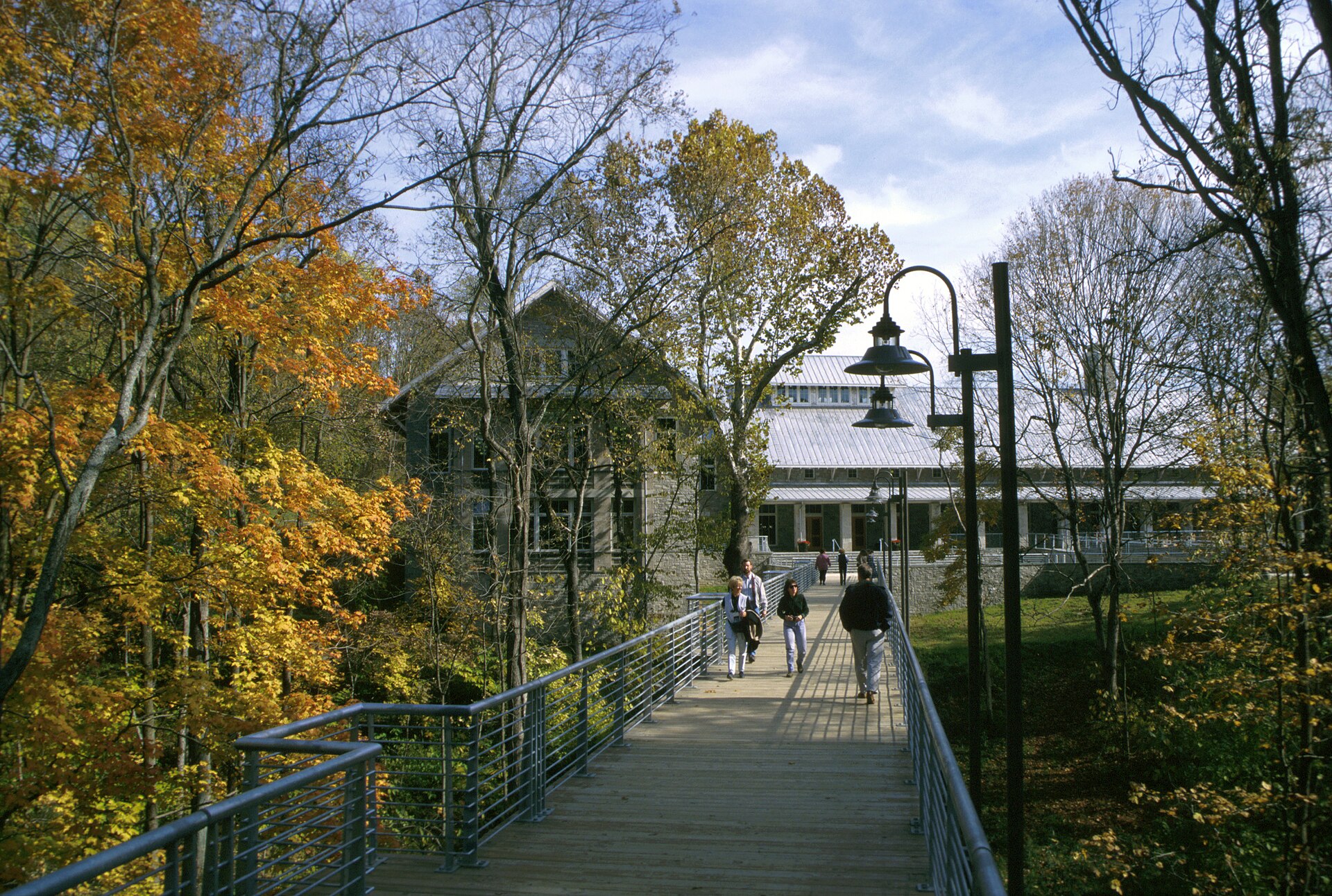
Your college years are full of moments you’ll probably want to remember. There are late-night study sessions, crowded campus events, quiet mornings in the library, and friends who make even the hardest classes fun. Most of these moments pass before you think about taking a picture. But what if you could turn them into a visual story of your college life?
You don’t need an expensive camera or professional training to get started. Your phone is enough to capture interesting people, places, and everyday moments. The secret is learning to make your photos tell a story rather than filling your gallery with random pictures. With a little practice, you can create a photo collection that shows what your college experience really feels like.
Begin with a Story You’d Like to Tell
Before you even start to take any photos, you need to figure out which aspects of your college life make an interesting story. Are you attending classes in an unfamiliar field or living on your own for the first time? Maybe you’ll take photos throughout the week in your dorm room, or you could join a particular student organization and document their events. A defined theme will give you criteria for selecting the next photo to add to your collection.
For instance, suppose you decide to create a photo narrative about how students prepare for their finals. In that case, you can capture photos of the crowded library in the afternoon, the desk piled high with notes, and the students taking a study break outdoors. All these photographs will represent different moments of the same experience.
Finding Time for Photography Between College Assignments
Photography projects take time, especially when you’re also dealing with lab reports, essays, and homework. You might want to photograph a campus science event or document your biology class, but a difficult essay assignment keeps taking up your afternoons. By the time you finish studying, you’ve missed the moments you wanted to capture!
If you’re spending too much time revising an essay instead of working on your photography projects, you can explore rewrite my essay options to improve your draft, organize ideas, and make your writing clearer. With a more manageable study schedule, you can make more time to photograph campus activities and develop your visual storytelling skills!
Learn to Capture Different Types of Shots
A good photo story usually needs more than one kind of picture. If every image shows the same view, your collection may start to feel repetitive. Try moving closer to your subject, stepping back to show the setting, or looking for details that people might overlook. Small changes in your camera position can make a big difference.
Here’s how different shots can help tell your story:
| Shot Type | Campus Example | What It Adds |
|---|---|---|
| Wide shot | Students walking across the main campus | Shows the location |
| Medium shot | Friends working on a group project | Shows what’s happening |
| Close-up | Hands writing notes in a notebook | Highlights small details |
| Portrait | A student club leader | Introduces a person |
| Action shot | Students playing basketball | Captures movement |
| Closing shot | An empty classroom after an event | Gives the story an ending |
You don’t need to capture every shot in one afternoon. Some moments happen naturally while you’re walking to class or spending time with friends. Keep your phone nearby and watch for scenes that match your theme. You’ll soon notice how many interesting details appear during an ordinary college day.
Take Better Pictures Using Your Phone
Good lighting can improve your photographs without requiring you to buy any new equipment. It can be beneficial to take pictures near windows or outside when the light is soft. Direct sunlight at midday can cast harsh shadows, while softer light is available in the early morning or late afternoon. Experiment by adjusting your position until your subject is visible and your background isn’t distracting.
Also, don’t forget about what’s happening within your picture. A messy background can shift the focus of the picture from your subject to something else. Another idea is to place your subject off-center. You can find more ideas in Adobe’s guide to documentary photography, which explains how everyday images can tell meaningful stories.
Capture Real-life Moments Without Making Anyone Feel Uneasy
Some of the most memorable college photos capture spontaneous moments. You may take snapshots of your buddies laughing after class or of students shouting during an event organized at your institution. Such moments reflect emotions better than any formal portrait can. However, you need to keep people’s privacy in mind while taking pictures.
When someone is easily identifiable in your photographs, you need to make sure that they agree to be captured on film and have their picture published. It is especially important to pay attention when taking pictures in dormitories, classrooms or at private events. Your institution may also have restrictions regarding some areas where you are not allowed to take photos.
Crafting a Photo Essay with an Effective Opening and Closing
Now that you have gathered enough photos, it’s time to look at them from a story standpoint. In a photo essay, several photos should tell one story. There is no need for 20 photos when 6 well-chosen ones are enough to convey the experience. Photos that have an opening, action, and closure make an excellent photo essay.
Suppose you are documenting the college drama club. The first few photos could be taken in an empty room with preparations just about to begin for the rehearsal. Then take photos of the rehearsals, the performance, and the fun afterward. Concluding with the final backstage photos could convey a sense of closure for the evening.
Add Captions That Bring Your Photos to Life
A brief caption can be of great help in letting viewers know what’s going on in the photo. It’s unnecessary to describe everything they can see for themselves. Instead, provide meaningful information about the setting, occasion, or person in the photograph. Context is essential for turning a beautiful picture into a strong story.
Academic writing expert Adam Jason’s field offers a useful connection to storytelling. The principles of clear academic writing also apply to visual storytelling, as both require accurate details and a logical structure.
You can apply that idea when writing captions by checking names, dates, and locations. Avoid inventing details or adding dramatic explanations that don’t match what happened.
Turn Everyday College Moments Into Lasting Memories
Photography gives you a chance to notice parts of college life that are easy to miss. A familiar hallway, a favorite professor’s classroom, or an afternoon with friends might seem ordinary today. A few years after graduation, those pictures could become some of your favorite memories. You don’t need perfect lighting or expensive equipment to capture them.
Start with one small story and see where it takes you. Take pictures that mean something to you, choose the strongest ones, and arrange them so others can follow the experience. Keep practicing as your confidence grows. By the time you graduate, you could have a wonderful visual record of your college journey!