
A trip’s best moments often come home as crooked horizons, harsh midday light, or a stranger’s elbow blocking the view. These travel photography tips for beginners help avoid that. You’ll learn what to research before you leave, how to shoot with simple settings and clear composition, and how to protect the resulting files.
Travel photography tips for beginners on the road: key insights
- Check sunrise and sunset times for each destination so you know when to catch flattering golden hour light.
- Get a wide-angle lens to make pictures that showcase a place’s true scale and context.
- Learn the core camera settings before departure so you can adjust them quickly when the light or the scenery changes.
- Remember the 3-2-1 rule: you need three copies of each photo you intend to keep, on two types of storage, with one copy kept off-site.
- Before you upload photos or portfolio updates to any online storage using public Wi-Fi, turn on two-factor authentication.
What is travel photography, and how does it differ from quick snapshots?
It overlaps with street photography and landscape shots, but the goal here is to tell a story with a set of images, one that shows what the destination felt like at the time of shooting and not simply what it looked like. All the travel photography tips for beginners are tailored to that goal.
Plan before you pack: light, locations, lenses, and storage gear
The first travel photography tips start at home, with some research and the right gear.
- Include sunrise and sunset times in your research about your destination: you’ll want to know when to catch the particularly flattering golden hour light.
- Save a shortlist of viewpoints and markets in your favorite map app, and check when your chosen landmarks are busiest so you can avoid those hours.
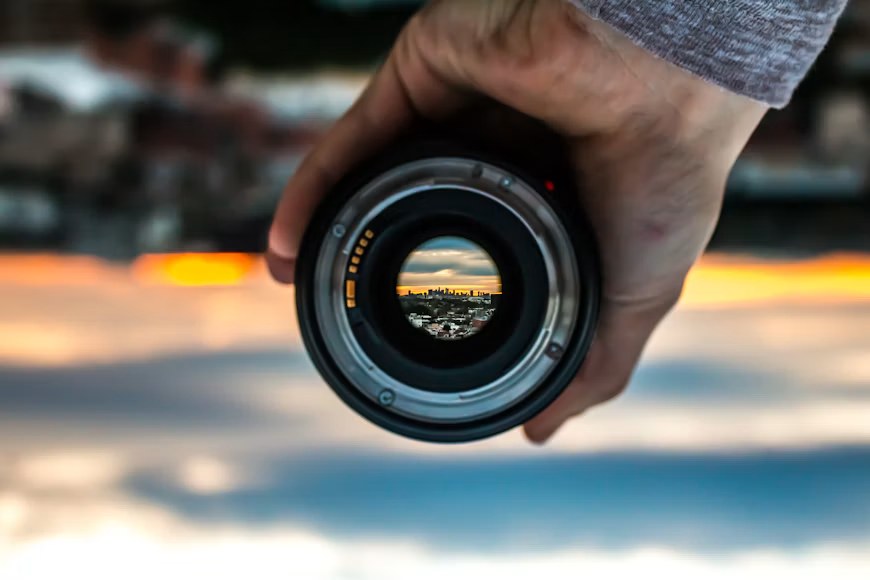
- Get a wide-angle lens: it handles tight streets, interiors, and broad scenery best.
- Pack several memory cards instead of a single large one, plus a portable SSD for backups. If one storage unit fails or goes missing, you won’t lose the whole trip.
- Keep the camera, cards, and SSD in your carry-on bag, never in checked luggage.
Composition and Light: Specific travel photography tips for beginners
You don’t need complicated techniques on location, just some basic knowledge to absorb and convert into habits.
Use golden hour and a wide-angle lens to give landscapes depth
Low, warm light after sunrise and before sunset adds texture to buildings, hills, and water. Place a foreground element, such as a railing, a boat, or a path, in the lower part of the frame, then let the background recede. That layering gives landscape shots depth that a flat postcard framing lacks.

Keep composition and camera settings simple for street scenes
Street photography rarely grants second chances, so it’s worth betting on simplicity and speed. Place the main subject off-center, check the edges of the frame, and wait for someone to walk into a well-lit spot. For camera settings, aperture priority with an auto ISO limit covers most situations. If possible, shoot RAW to preserve more detail for later photo editing.
Protect your trip photos with solid backups before you head home
A missed shot is a disappointment, but a lost card means losing those photos for good. The most overlooked of the travel photography tips for beginners is a backup habit that starts on day one, not on the last night.
Back up and upload your photos on the road without losing a shot
Start with the 3-2-1 rule: keep three copies of your data on two types of media, with one copy stored off-site. On a trip, the camera’s memory cards hold the original, a portable SSD holds the second copy, and a cloud backup provides the off-site third.
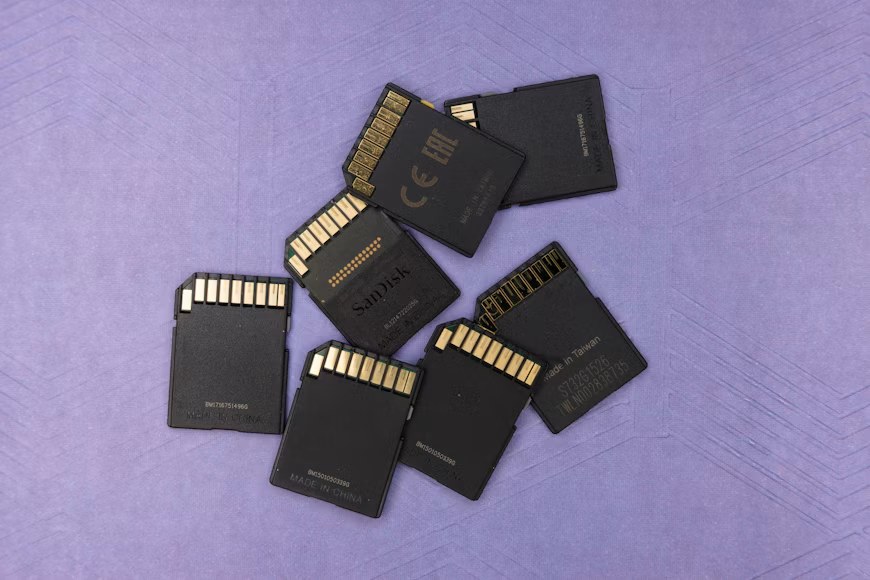
Protect the cards themselves. Switch to a fresh card when one fills, store full cards in a different bag from the camera, and don’t format anything until the files exist in two other places. Copy your photos to the SSD every evening, because the habit matters more than the brand of drive.
Cloud backup and portfolio uploads usually happen on hotel, café, or airport Wi-Fi, so those accounts deserve extra care. It is best to turn on two-factor authentication when you use public Wi-Fi and to avoid using such unprotected connection for anything truly sensitive, like online banking. A reliable proxy server purchased from one of the best proxy sites adds a layer of privacy for your cloud and portfolio logins.
Start here: a three-stage routine to use on your next trip abroad
While still at home, set up two-factor authentication for your cloud storage of choice. While you’re at it, you may want to memorize and practice your workflow: duplicate the card’s contents both to the cloud and to a portable SSD. On the road, aim to catch the soft light of the golden hour at every destination. That is truly one of the most important travel photography tips for beginners. Once you’re back home and tackling photo editing, make duplicates instead of tinkering directly with original shots.
Frequently asked questions about travel photography for new shooters
If you’re new to travel photography, these are the things you might wonder about.
Which travel photography tips for beginners matter most on a first trip?
Skip the expensive accessories. Practical travel photography tips for beginners center on good light and redundant storage. Chase scenes during golden hour. Keep everyday camera settings uncomplicated. Offload pictures to an extra device before sleeping. Once these fundamentals run without effort, take control of your composition by framing shots with foreground elements and scanning each corner for stray objects.
Do travel photography tips for beginners work with a phone camera?
Yes. Great light, balanced composition, and secure backups work with any mobile device. To capture sweeping architecture and bustling street life properly, use the wide lens. Tap your phone screen to dial in focus and exposure before snapping. Restrict auto-syncing to secure connections only. To save space, clear internal memory by sending photos to a portable SSD or a secure cloud backup every evening.
How many memory cards should I bring for a long photography trip?
Bring several smaller memory cards rather than one large card: as a rule of thumb, enough to switch to a fresh card every day or two, plus one spare. A card failure then costs a day of shooting, not the whole trip. Make sure the total capacity covers your busiest shooting days. Label full cards and keep them in a card wallet, away from the camera bag.
Is it safe to upload photos over hotel or airport Wi-Fi networks?
Not entirely: public hotel networks leave your traffic exposed to others on the same network. CISA points out that personal phone hotspots create far safer connections than open guest access points. Route critical photo uploads through your mobile carrier instead of lobby Wi-Fi. Turn on two-factor authentication to block unauthorized logins. Postpone mobile banking, financial transfers, and sensitive account access until you return to an encrypted personal network.