
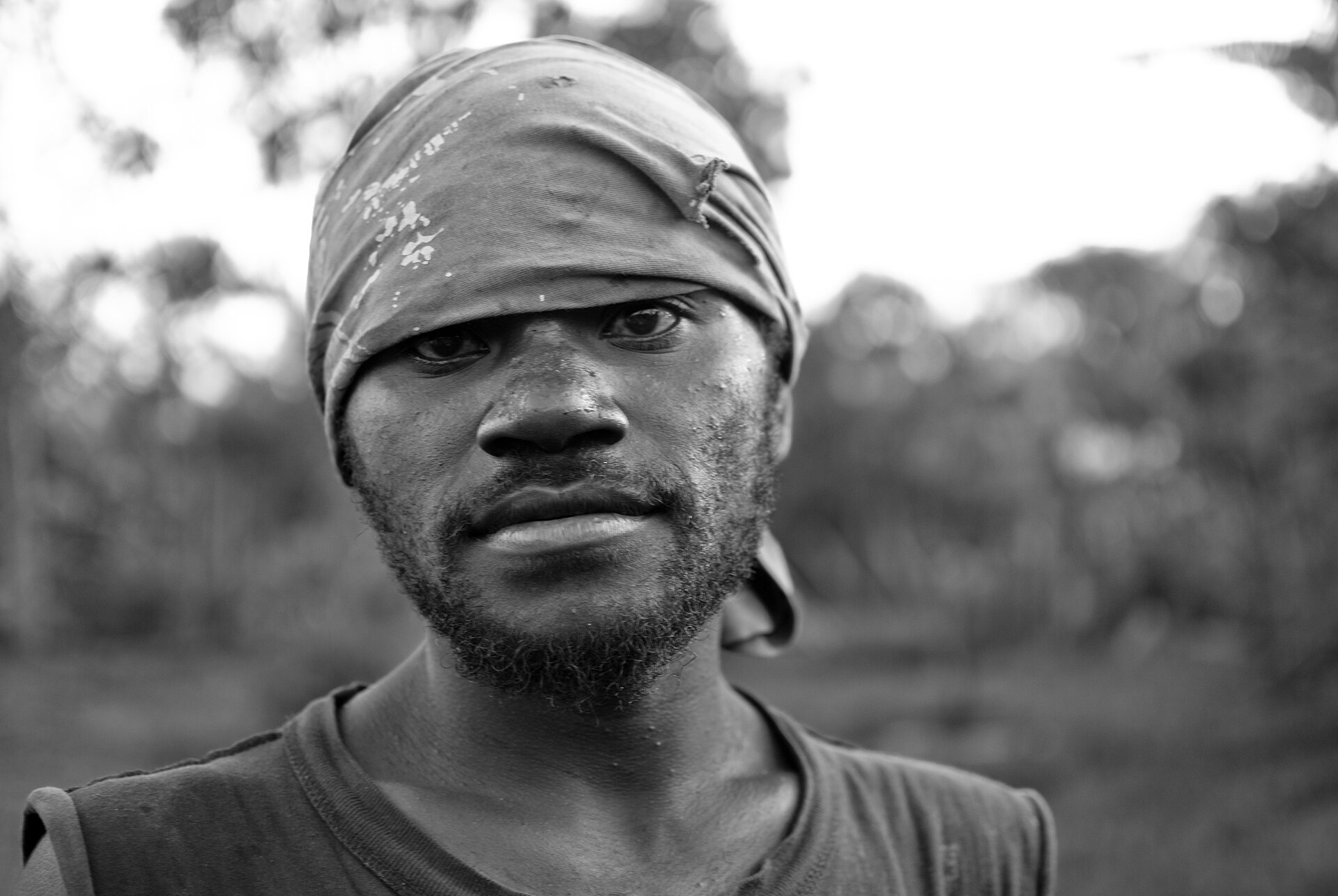
Portrait photography is about more than just taking a picture of someone's face. The clothes that the subject wears, the accessories they use, the lighting, colors, and other elements in the background help create the story that the image tells. Accessory fabrics can be especially effective at creating a sense of movement, texture, and color while being simple enough to use as part of your photography sessions.
A simple cotton bandana or a flowing scarf is an excellent way for photographers to create unique portraits of their subjects. These accessories give the subject the opportunity to show off his/her personality. In addition to being able to add value to your photography through the use of fabric accessories, if you take the time to learn how to properly style and apply them to your subject, they will be able to provide you with a variety of ways to capture the essence of each individual.
Why Fabric Accessories Work So Well in Portrait Photography
Fabric accessories can add a sense of personalization and visual interest to a portrait. Accessories such as fabric provide an extra layer of visual data, allowing you to direct the viewer’s eye and set the tone for your photograph.
For example, a brightly colored scarf can provide contrast against a neutrally-colored outfit, and a textured cotton accessory can bring in a relaxed, natural feel. Additionally, fabric can be used to fill in blank spaces around the subject and create a more balanced composition.
As opposed to stiff props, fabric is very malleable and can be arranged in many different ways. Fabric can be folded, tied, draped, and left to flow on its own. It is therefore a great choice for use in fashion portraits, lifestyle photography, outdoor shoots, and creative studio work.
Choosing the Right Fabric Accessories
Lightweight scarves: Thin fabrics can create flowing shapes and movement. They are particularly effective in outdoor portraits where a gentle breeze can add natural motion.
Cotton bandanas: Cotton has a relatively matte appearance and visible texture. It works well for casual portraits, outdoor sessions, and relaxed lifestyle photography. A bandana can be tied around the neck, worn as a head covering, or incorporated into a hairstyle.
Silk and Satin Scarves: These types of fabrics are smoother and can create a more polished look because they reflect light. These are good options when you want to create a fashion portrait, or if you are looking to create an elegant editorial composition. But, make sure to look out for unwanted highlights.
Thin materials such as lightweight scarves provide the ability to form dynamic, flowing forms and motion. These types of accessories work well with outdoor portrait photography because the natural flow of air provided by a light breeze creates dynamic, naturally flowing lines.
When looking at various types of fabrics, manufacturers like 4inbandana offer many options including cotton and satin bandanas, silk scarves and other ways of presenting accessories that would be suitable for photographers when developing their own style.
Use Colour and Patterns to Strengthen Composition
Colour coordination is a simple way for you to use your fabric accessories in a portrait. The accessory will be used as an enhancement of what the subject is wearing, their skin color and their surrounding environment, not as a competition with those elements.
To begin, choose a primary color and develop your style based on that. For instance, a blue scarf will look lovely against neutral colored clothes and a warm outdoor setting. On the other hand, if you want to create an emphasis on a particular area in a photograph with primarily muted colors, use a red bandana.
Patterns require a bit of extra thought. Bold, large patterns add some life to the outfit; however, small patterns will give it a softer look. When an outfit has a lot of pattern in it, you should opt for a simple accessory so that the overall appearance looks balanced.
Photographers have an opportunity to try out complimentary colors or different shades of the same color. The objective is to produce a visually harmonious image where the subject remains the main point of interest.
Experiment with Different Styling Techniques
There isn't a single, perfect way to use fabric in your portraiture. Even slight adjustments in where you place the fabric may yield significantly different outcomes.
Try these approaches:A loosely tied scarf can create a relaxed appearance, while a neatly folded bandana may suit a more structured portrait.
around the neck: a loosely-tied scarf will give you a casual look; a neatly-folded bandana will be better suited for a more formal portrait.
In the hair: A fabric headband or hair wrap can add colour and frame the subject's face.
Across your shoulders: A light weight scarf can be draped across one of your shoulders for a natural look that adds both form and texture.
Around the wrist: A small piece of fabric, in addition to adding visual appeal to close-up shots of people's faces, may also provide additional context when taking photos that involve people making gestures with their hands.
Have participants experiment with alternative arrangements as opposed to sticking with a single, predetermined layout. It is essential that the participants feel comfortable, and when people use a "natural" approach to their hair styling, they tend to appear more authentic in their facial expressions.
Use Lighting to Highlight Fabric Texture
The appearance of a fabric in a photograph may vary greatly depending upon the type of lighting used. In general, diffused light (soft) allows details of the fabric to remain visible, but does not produce excessive shadows. This is especially true when working with fabrics that have texture, such as cotton.
Side lighting is a great way to show off the details in fabrics. As the light hits the fabric from the side, the tiny folds and bumps will stand out, which adds some dimension to the fabric. Therefore, a plain accessory can be made more interesting visually with side lighting.
Satin, as well as other reflective surfaces, will create bright reflections when directly illuminated. Moving your model to a different location or adjusting the angle of your light can be effective ways to avoid unappealing reflections.
A diffuser can help make a strong light softer, and a reflector can make a shadow look brighter when used in conjunction with a strong light source. If you are shooting outside, open shade provides an excellent way to get even lighting on your subject.
Introduce Movement for More Dynamic Portraits
Fabric can be moved during a photo shoot. This is especially true when you are working on location, because moving fabric gives your subject an air of spontaneity and energy.
Have the person being photographed gently move (or even run) their shoulders, or perhaps walk, with a lightweight scarf in hand. If you have the opportunity to work in a natural breeze, you may be able to capture some of the motion of the scarf.
The amount of time the shutter is open will affect the appearance of motion. For example, if you are using a faster shutter speed like 1/1000 of a second, then your photos may show fabric being frozen in place, preserving its shape. If you choose to use a slower shutter speed, then your photos could contain some form of motion blur; however, the photographer needs to make sure that the subject's face is still sharply focused.
In order to create a successful photograph, it is important to take multiple shots of your subject. The way fabric moves is often hard to predict, so taking multiple shots will help you get at least one great shot. Once you have taken a few shots, review the results to see if there was any pattern or if certain things worked better than others. This will give you an idea of what worked best for creating the best possible image.
Pay Attention to Backgrounds and Posing
A fabric accessory should complement the environment, not be lost in it. A patterned scarf will likely lose some of its identity when placed against a busy background, however, a simple accessory is much easier to see when used against a clean/uncluttered background.
You may want to find a background that has contrasting colors, or complementary textures. Brick walls, natural greenery, plain studio backgrounds and architectural features are examples of backgrounds you could use.
Positioning also plays a role in how natural the portrait will appear. Have the subject pose by turning slightly, looking away from the camera, adjusting a piece of clothing (like a scarf), or gently holding on to a part of the garment. All of these are simple movements that allow the subject's hands to be doing something, which helps the portrait appear less formal and static.
Avoid Common Styling and Editing Mistakes
Adding too many accessories will draw attention away from the subject. Begin by selecting a single primary fabric item, and only include additional fabric elements if they enhance the overall design of the piece.
In addition to being careful about pushing people into positions where they are uncomfortable and/or choosing accessories that aren't appropriate for the overall theme, good styling will help emphasize each individual's natural facial expressions.
When editing your photos, preserve the texture and colors of the fabric. Too much smoothing, sharpening or saturation adjustments may cause fabrics to appear unnatural. Pay attention to highlights and shadows, particularly on reflective fabrics.
Final Thoughts
With fabric accessories, photographers have an easy opportunity to introduce color, texture, motion and personal style into their portrait images. From a cotton bandanna worn during an outdoor photo shoot, to a flowing scarf that can be used as a creative element within a fashion-style image, the best outcomes are created through careful styling and controlled illumination.
Experiment with different types of fabric, color combinations, poses and shutter speeds. Additionally, make sure you consider every single accessory as part of the overall visual narrative instead of simply another item to add to the picture. When you use this method of creating images, it will allow you to convert simple portraiture into more dynamic and memorable photos.