
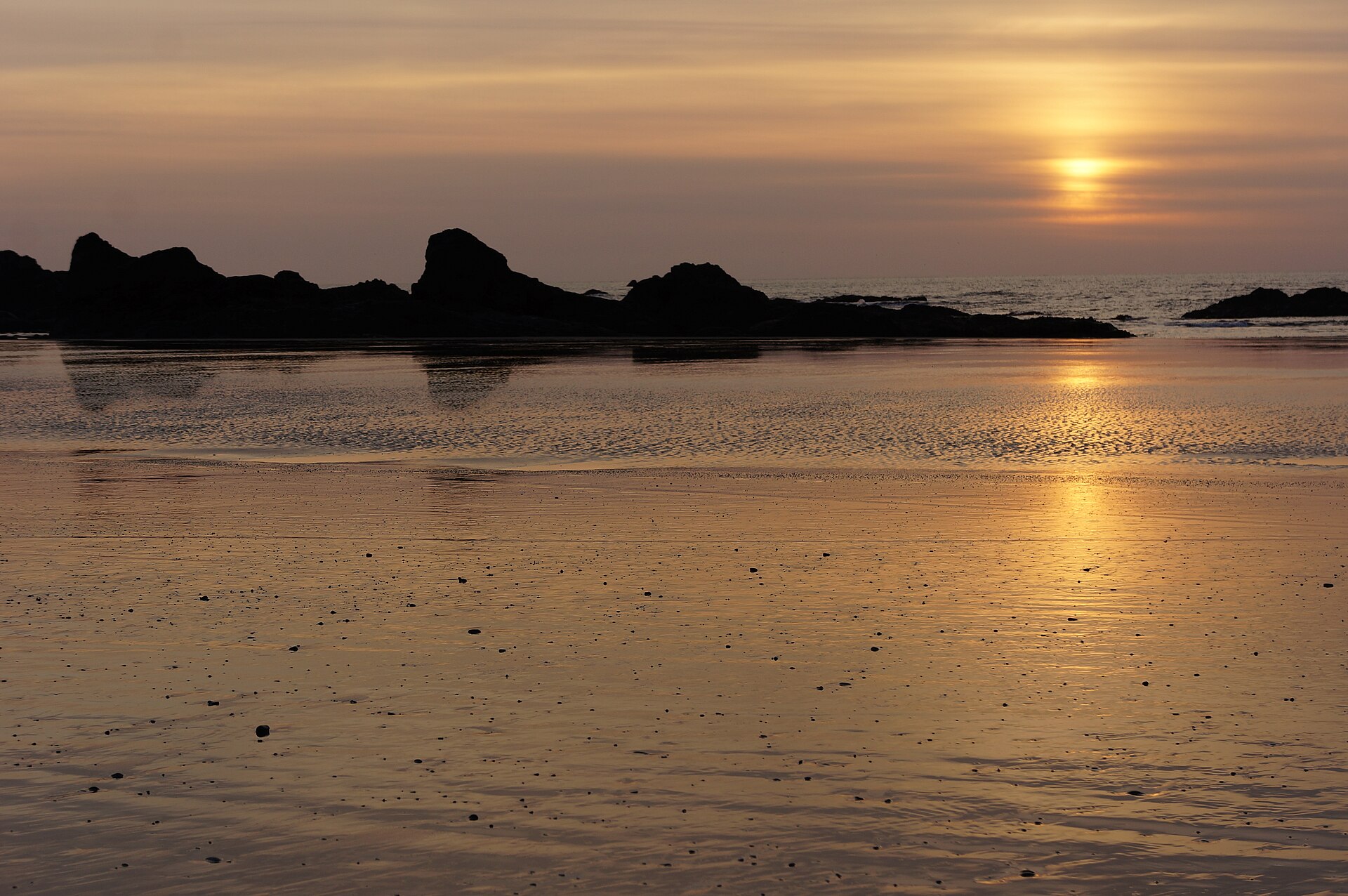
The ocean has long occupied a distinctive place in the visual arts, inspiring everything from classical landscape paintings to contemporary photography. Its endless horizons, shifting colors, and unpredictable movements create a natural spectacle that remains compelling across cultures and generations. In interior design, the ocean’s influence extends beyond nautical accessories and traditional seaside decorations. Large-scale coastal photography has emerged as a sophisticated way to introduce atmosphere, visual depth, and a sense of openness into residential and commercial spaces. Through carefully composed images of shorelines, crashing waves, and expansive seascapes, coastal wall art transforms ordinary walls into striking visual statements.
The growing appeal of oversized ocean photography also reflects a broader shift in how people approach interior decoration. Rather than filling rooms with numerous small decorative objects, homeowners and designers increasingly recognize the impact of a single commanding artwork. A large coastal photograph can establish a room’s color palette, influence furniture arrangements, and create a visual connection to the natural world. Its appeal is not limited to properties overlooking the water, as urban apartments, suburban homes, and contemporary offices can all benefit from its distinctive character. Understanding the artistic and practical qualities of coastal wall art reveals why ocean photography continues to hold such a prominent position in modern interiors.
The Enduring Appeal of Ocean Photography in Interior Design
Ocean photography possesses an unusual ability to communicate both movement and stillness within a single composition. A photograph of turbulent surf captures the tremendous energy of water colliding with the shoreline, while a quiet horizon can suggest calm and contemplation. This contrast gives coastal imagery remarkable versatility, allowing it to complement interiors designed around relaxation, sophistication, or dramatic visual expression. Unlike artwork that depends heavily on seasonal trends, ocean photography draws its appeal from natural phenomena that remain visually relevant over time. The subtle interaction of light, water, and atmosphere creates images that can reveal new details with repeated viewing. As a result, a carefully selected ocean photograph often becomes a lasting element of a room rather than a temporary decorative addition.
The emotional associations surrounding coastal landscapes also contribute to their popularity. For many people, the ocean recalls vacations, childhood memories, peaceful mornings, or the freedom associated with wide-open spaces. Photographs of distant horizons can evoke these experiences without relying on obvious seaside symbols such as anchors, shells, or decorative ropes. This distinction allows contemporary coastal art to move beyond conventional beach-house aesthetics and enter more refined design environments. A minimalist photograph of waves against a pale sky, for example, can feel equally appropriate in a modern penthouse or a traditional living room. The subject remains recognizable, but the artistic treatment determines whether the overall effect is understated, energetic, or contemplative.
Technological advances have further expanded the decorative possibilities of ocean photography. Modern digital cameras can record intricate textures in moving water, delicate gradations in cloud formations, and subtle variations in coastal light. High-resolution printing methods allow these details to remain visible when photographs are enlarged for substantial wall installations, provided the original files are suitable for the intended dimensions. This capability has encouraged photographers to create compositions specifically suited to large-format presentation. Instead of treating coastal photographs as small framed souvenirs, designers can approach them as significant pieces of visual architecture. The resulting artwork becomes an integral part of the room’s spatial identity, connecting the scale of the image with the proportions of the surrounding interior.
Why Large-Scale Coastal Wall Art Creates a Stronger Visual Impact
Scale fundamentally changes how viewers experience a photographic image. A small picture of the ocean invites close inspection, encouraging attention to its individual features and technical details. An oversized photograph, by contrast, can occupy a substantial portion of the viewer’s field of vision, creating a more immersive encounter with the landscape. The sweeping lines of a shoreline or the broad expanse of an open sea become particularly powerful when reproduced across a large canvas or photographic print. This visual presence can make an enclosed room feel more expansive, even though its physical dimensions remain unchanged. The effect is especially noticeable in spaces where the artwork introduces a strong horizon line or a composition with considerable depth.
Large coastal artwork also helps establish a clear focal point within rooms that might otherwise appear visually fragmented. In open-plan interiors, a commanding ocean photograph can define a seating area or provide visual continuity between neighboring spaces. Above a sofa, fireplace, or dining console, an expansive seascape creates a sense of balance by relating the artwork’s proportions to those of the furniture beneath it. The choice of composition becomes especially important at this scale because strong contrasts, prominent wave formations, and dominant colors receive greater attention. Designers must therefore consider not only the beauty of the photograph itself but also how its visual weight interacts with architectural features. Achieving this balance begins with finding artwork that offers the right combination of subject, proportions, and presentation, making the selection process just as important as the final placement.
Finding coastal photography that meets these requirements has become easier as online art marketplaces have expanded the range of available styles, formats, and dimensions. Rather than limiting their choices to conventional beach scenes or standard print sizes, homeowners can explore artwork that reflects the specific character of their interiors. One example is iCanvas, a Chicago-based wall art company featuring works from independent artists, licensed estates, and cultural institutions in a variety of materials and presentation styles. Its selection of large coastal wall art demonstrates how ocean-inspired imagery can complement different design preferences, from understated shorelines to dramatic seascapes. These options also give homeowners greater flexibility when considering how artwork will interact with surrounding furniture, materials, and lighting. Ultimately, a successful installation depends on choosing a photograph that feels connected to the space rather than simply filling an empty wall.
The Artistic Elements That Define Exceptional Coastal Photography
The most memorable coastal photographs often depend on composition rather than the dramatic nature of the location alone. Photographers use horizon placement, natural leading lines, and the relationship between foreground and background to establish visual structure. A shoreline extending diagonally across the frame can guide the viewer’s eye toward a distant headland, while a centrally positioned horizon can emphasize symmetry and stillness. Negative space also plays a significant role, particularly in photographs dominated by open water or expansive skies. By allowing portions of the image to remain visually uncluttered, photographers create room for the viewer’s attention to move naturally through the composition. These techniques become particularly important in oversized wall art, where small compositional decisions can influence the appearance of an entire room.
Light is another defining feature of compelling ocean photography. Coastal environments change dramatically throughout the day, producing different textures, colors, and atmospheric conditions as sunlight moves across the landscape. Early morning light can create gentle tonal transitions and soft reflections, while late afternoon illumination often brings warmth and greater contrast to cliffs, beaches, and breaking waves. Overcast conditions can be equally appealing because diffuse light reduces harsh shadows and emphasizes subtle variations in blue, gray, and green. Long-exposure photography introduces a different aesthetic, transforming moving water into smooth, almost ethereal surfaces. Each approach produces a distinct visual experience, allowing designers to choose photographs that reinforce the atmosphere they want to establish.
Texture and movement give ocean photography much of its expressive strength. Fast shutter speeds can freeze individual droplets of water suspended above a breaking wave, revealing details that the human eye might otherwise miss. Slower exposures create flowing patterns that communicate the continuous motion of tides and currents. The rugged surfaces of coastal rocks, the fine grain of sand, and the reflective character of wet shorelines add further layers of visual complexity. When these details are reproduced at a large scale, they can introduce a tactile quality into rooms dominated by smooth furniture and architectural surfaces. The interaction between photographic texture and interior materials creates opportunities for sophisticated design combinations that extend beyond simple color matching.
Choosing Coastal Wall Art That Complements Different Interior Styles
Contemporary interiors frequently benefit from coastal photography that emphasizes simplicity, geometry, and restrained color. Images with clean horizons, limited visual distractions, and carefully controlled tonal relationships complement the uncluttered appearance of modern furniture. A photograph featuring a narrow strip of dark ocean beneath a broad pale sky can create a striking effect in a room with white walls and minimalist furnishings. Black-and-white coastal images offer another compelling option, particularly where the surrounding design emphasizes architectural lines and contrasting materials. Rather than competing with the interior, these photographs reinforce its underlying visual discipline. Their restrained presentation allows the natural forms of the ocean to provide interest without overwhelming the space.
Traditional and transitional interiors often accommodate coastal imagery with richer colors and greater atmospheric detail. Photographs of windswept cliffs, golden beaches, or distant coastal villages can introduce a sense of narrative that works well with layered furnishings and textured materials. Wooden frames, warm neutral tones, and carefully selected lighting can strengthen the connection between the artwork and the surrounding decor. In rooms featuring classic upholstery or natural stone, coastal photographs with muted blues and earthy accents can provide continuity without appearing overly coordinated. Transitional interiors are particularly adaptable because they combine traditional comfort with contemporary simplicity. This flexibility allows homeowners to experiment with dramatic seascapes while maintaining an inviting and familiar atmosphere.
Coastal photography also has a place in industrial, Scandinavian, and eclectic interiors, although each style calls for a different approach. Industrial spaces with exposed brick, concrete, or metal features can benefit from photographs showing rugged shorelines and powerful surf. Scandinavian rooms, which often emphasize natural light and understated materials, are well suited to misty seascapes and pale, low-contrast coastal compositions. Eclectic spaces offer greater freedom, allowing saturated turquoise waters or dramatic aerial beach photography to become deliberate points of contrast. The central consideration is maintaining a coherent relationship between the artwork’s visual intensity and the room’s other elements. A photograph need not match every furnishing, but it should contribute to an intentional and balanced overall composition.
The Importance of Color and Mood in Ocean-Inspired Artwork
Color is among the most influential factors in determining how coastal photography affects an interior. Deep navy and slate-blue tones tend to create a more dramatic atmosphere, particularly when paired with dark wood, charcoal upholstery, or metallic accents. Pale aqua, soft gray, and sandy beige can produce a lighter impression that works well in bedrooms and other spaces intended for relaxation. Turquoise waters and bright white surf introduce energy and freshness, making them appealing choices for sunlit living areas. These associations are useful design principles rather than fixed psychological rules, since individual responses to color vary considerably. The surrounding lighting and material palette also affect whether a particular ocean photograph appears calming, vibrant, or visually intense.
Color relationships become more complex when an image contains several distinct elements, such as sea, sky, sand, and vegetation. A sunset photograph might combine warm orange highlights with cool blue shadows, creating opportunities to connect otherwise contrasting furnishings. Similarly, a photograph of a rocky coastline may contain subtle brown and green undertones that complement natural wood or stone finishes. Designers often achieve stronger results by identifying secondary colors within the photograph rather than matching only its most dominant shade. A muted green in a coastal landscape, for example, might be echoed through upholstery or decorative accessories while the broader room remains neutral. This selective approach creates cohesion without making the interior appear excessively themed.
The emotional character of an ocean photograph also depends on how color interacts with weather and atmospheric conditions. A bright Mediterranean shoreline can suggest openness, warmth, and leisure, while a storm-darkened sea introduces tension and drama. Foggy coastal scenes often convey quietness through reduced contrast and softened boundaries between land, water, and sky. Photographers can further influence these impressions through careful editing, although excessive saturation or contrast may reduce the natural quality that makes coastal imagery appealing. For large wall installations, subtle color grading frequently produces a more enduring effect than aggressively stylized treatments. Choosing an image with a balanced tonal range allows it to remain visually satisfying under changing daylight and artificial lighting conditions.
Selecting the Right Size, Format, and Placement for Coastal Prints
Choosing the appropriate dimensions is essential to the success of large-scale coastal wall art. An image that is too small for its setting can appear disconnected from the surrounding furniture, while an excessively large print may dominate a room in an uncomfortable way. Designers frequently use the width of the furniture below the artwork as a practical starting point when estimating suitable proportions. For instance, a substantial horizontal photograph might occupy approximately two-thirds to three-quarters of the width of a sofa, although this is a guideline rather than a universal requirement. Wall height, ceiling proportions, and the presence of nearby architectural features can justify different choices. Measuring the available space and temporarily marking the proposed artwork’s outline on the wall can help homeowners evaluate the scale before making a purchase.
The orientation of the photograph should also correspond with the proportions of the space. Panoramic coastal images work particularly well above wide furnishings, along extended corridors, or in rooms with expansive horizontal sightlines. Vertical photographs of sea cliffs, crashing waves, or dramatic cloud formations can be effective on narrow walls and between tall architectural elements. Square formats offer a sense of visual stability and can suit compact seating arrangements or symmetrical furniture groupings. In larger interiors, a coordinated arrangement of multiple coastal photographs may provide greater flexibility than a single oversized piece. However, dividing a composition into multiple panels requires careful attention to spacing and continuity, especially when the image features a distinct horizon line.
Placement determines how naturally the artwork integrates into everyday life. Hanging a print near eye level generally supports comfortable viewing, although the correct position depends on whether people primarily experience the room while standing or seated. Above furniture, the distance between the artwork and the surface below should feel connected rather than leaving an awkward expanse of empty wall. Lighting conditions deserve equal consideration because direct sunlight, reflective surfaces, and poorly positioned spotlights can influence both appearance and long-term preservation. In rooms with substantial natural light, the chosen print material and protective finish may be as important as the photograph’s composition. Thoughtful placement allows coastal artwork to command attention while remaining proportionate to the larger design.
How Printing Materials Influence the Appearance of Ocean Photography
The material on which an ocean photograph is reproduced significantly affects its final visual character. Canvas prints introduce a textured surface that can soften photographic detail and create a more painterly appearance. This quality works well with atmospheric seascapes, gentle wave patterns, and images featuring broad areas of blended color. Fine art paper, by comparison, can provide a smoother presentation that preserves delicate tonal relationships and intricate photographic details, depending on the selected paper and printing process. Both formats can produce compelling results, but they communicate the image differently. Choosing between them involves considering whether the intended effect should emphasize photographic precision, artistic softness, or a balance of the two.
Acrylic glass and metal offer alternative presentations that are particularly suited to contemporary interiors. Acrylic-mounted photographic prints can create a polished surface and a sense of visual depth, making them appealing for images with vivid water colors and strong contrast. Metal prints, often produced through dye-sublimation processes, can deliver crisp detail and a sleek appearance that complements modern architectural materials. Their reflective properties vary by finish, which means a glossy presentation may produce a very different viewing experience from a matte alternative. Images showing bright tropical waters can appear especially striking on surfaces that accentuate color and luminosity. However, reflective materials require careful positioning to minimize distracting glare from windows and overhead fixtures.
Durability and maintenance should be considered alongside appearance. The longevity of a photographic print depends on several factors, including ink quality, substrate stability, protective coatings, environmental conditions, and exposure to ultraviolet light. Even high-quality prints can experience changes in color or surface condition when placed in direct sunlight or consistently damp environments. Coastal homes present particular challenges because humidity and airborne salt can affect frames, mounting hardware, and certain materials over time. Appropriate framing, secure installation, and regular gentle cleaning can help maintain an artwork’s appearance. Buyers should therefore evaluate both the visual qualities of a printing medium and its suitability for the intended location.
Capturing the Ocean From Above: The Rise of Aerial Coastal Photography
Aerial photography has transformed the visual language of coastal artwork by revealing patterns that are difficult to appreciate from ground level. From above, shorelines become sweeping curves, waves form repeating geometric structures, and shallow waters display striking transitions between different colors. The relationship between land and sea takes on an abstract quality, often resembling a painting rather than a conventional landscape photograph. Advances in drone technology have made these perspectives more accessible to photographers, although local regulations and environmental restrictions still govern where and how drones may be used. The resulting images offer an alternative to familiar horizon-based compositions. Their elevated viewpoint makes them especially effective as large-format wall art because viewers can explore complex details across the entire image.
One of the most distinctive qualities of aerial coastal imagery is its ability to emphasize natural geometry. Bands of breaking surf may form parallel lines, while tidal pools and sandbars produce intricate arrangements of color and texture. These patterns can establish a strong visual rhythm within a room, particularly when reproduced on a substantial scale. A photograph showing white foam against deep blue water, for example, can function almost as abstract art while retaining a recognizable connection to the natural world. This dual identity allows aerial coastal photography to work in interiors where conventional landscape images might feel overly literal. It also provides designers with opportunities to introduce movement and visual interest without relying on highly decorative furnishings.
The perspective offered by aerial photographs can also communicate the scale and fragility of coastal environments. Images that capture erosion patterns, shifting sand formations, or the meeting point of developed land and open water reveal relationships that are not always apparent from the beach. In some compositions, the absence of a visible horizon creates an immersive field of color and pattern. Other images include small human figures, boats, or buildings that provide a sense of proportion against the surrounding landscape. These details introduce narrative possibilities while emphasizing the immense dimensions of coastal geography. For viewers, the artwork becomes more than an attractive representation of the ocean, offering a different way to observe and interpret familiar natural environments.
Bringing Coastal Photography Into Living Rooms, Bedrooms, and Workspaces
Living rooms offer some of the strongest opportunities for displaying large coastal photographs because they typically contain prominent walls and substantial furniture. An expansive seascape above the main seating area can provide a visual anchor that establishes the atmosphere of the entire room. In contemporary spaces, a photograph featuring a minimalist horizon may complement clean-lined furniture and restrained accessories. More expressive images of stormy waves or dramatic cliffs can introduce contrast into rooms furnished with neutral colors and simple materials. The important consideration is how the artwork relates to the room’s primary viewing positions. A photograph that appears balanced from the entrance should also remain engaging when viewed from the sofa or adjacent seating.
Bedrooms generally benefit from a more restrained approach, especially when the goal is to establish a restful atmosphere. Photographs showing quiet beaches, soft morning light, or distant horizons can introduce visual interest without overwhelming the space. Above the bed, a wide coastal image can connect the furniture arrangement with the surrounding wall and reinforce the room’s sense of symmetry. Cool neutral tones may complement pale bedding and natural textiles, while warmer coastal scenes can make an otherwise minimalist bedroom feel more inviting. The photograph’s level of contrast should also be considered because highly dramatic imagery may create a different mood from the one intended. Selecting a composition that feels appropriate under both daylight and evening lighting can help maintain a consistent atmosphere.
Commercial spaces and home offices present different opportunities for coastal photography. In professional environments, large ocean images can provide a visually engaging alternative to generic decorative artwork while supporting a distinct brand or design identity. A panoramic seascape in a reception area may establish an immediate impression of openness and sophistication. In a home office, a carefully chosen coastal photograph can add depth to a room dominated by screens, shelves, and functional furniture. Hospitality environments can use ocean photography to strengthen a connection with the surrounding geography or introduce a sense of destination, even in urban locations. Across these settings, the most effective installations balance aesthetic ambition with the practical requirements of the space.
The Lasting Value of Coastal Photography as a Design Investment
The value of coastal wall art extends beyond its immediate decorative impact. A thoughtfully selected photograph can remain relevant through changes in furniture, paint colors, and other interior elements because its subject is not tied to a narrowly defined trend. This adaptability is especially useful for homeowners who prefer to update their spaces gradually rather than undertake complete redesigns. A neutral seascape might work equally well with contemporary furniture, traditional upholstery, or a more eclectic arrangement introduced years later. Such flexibility makes it worthwhile to evaluate the long-term appeal of a photograph before focusing on its immediate visual impact. Selecting an image with strong composition and restrained artistic treatment can support a room through multiple phases of interior change.
Artistic originality also contributes to the perceived value of coastal photography. Although millions of ocean photographs are produced each year, relatively few communicate a truly distinctive interpretation of the subject. A photographer’s choice of perspective, timing, exposure, and composition can transform an ordinary stretch of coastline into a memorable image. Collectors and design-conscious buyers may therefore place greater importance on artistic vision than on the familiarity or popularity of a particular location. Limited-edition prints, clearly documented authorship, and well-executed production can add further interest, although these qualities do not guarantee financial appreciation. For most residential buyers, the primary return is aesthetic and experiential rather than monetary. The artwork’s lasting contribution comes from the pleasure and character it brings to a frequently occupied space.
Environmental awareness has introduced another dimension to the appreciation of ocean photography. Coastal landscapes are constantly shaped by tides, weather, erosion, and broader climatic processes, making them compelling subjects for both artistic and documentary work. Photographs can preserve the appearance of shorelines at particular moments and encourage viewers to notice details they might otherwise overlook. Some photographers use their work to draw attention to marine conservation, coastal development, or changes in natural habitats. While decorative photography does not automatically communicate an environmental message, it can provide a starting point for greater curiosity about the places depicted. In this sense, coastal wall art offers an opportunity to combine visual enjoyment with a deeper appreciation of the natural environments that inspire it.
Conclusion: The Transformative Power of Ocean Photography
Large-scale ocean photography demonstrates how a familiar natural subject can acquire new significance through artistic interpretation and thoughtful presentation. The expansive character of the sea lends itself particularly well to oversized prints, allowing photographs to create a commanding presence without relying on elaborate decorative treatments. From quiet horizons to powerful wave formations, coastal imagery offers a range of visual experiences suitable for different rooms and design preferences. Its versatility is strengthened by the variety of photographic styles, printing materials, and display formats now available. When selected with attention to composition, scale, and architectural context, ocean photography can become one of the defining features of an interior. The result is artwork that establishes atmosphere while maintaining a connection to the natural world.
The most successful coastal installations begin with a clear understanding of the space they are intended to enhance. Room dimensions, furniture arrangements, lighting conditions, and existing materials all influence which photographs will produce the strongest effect. An expansive aerial composition might introduce striking geometry into a contemporary living room, while a softly illuminated seascape could provide a quieter focal point in a bedroom. Printing choices further shape the experience, affecting everything from surface texture to perceived color depth. Rather than treating wall art as a final decorative accessory, homeowners can use photography as an organizing element in the broader design process. This approach encourages more intentional interiors in which artwork and architecture support one another.
Ultimately, the beauty of coastal wall art lies in its ability to make the ocean’s extraordinary scale accessible within everyday surroundings. A photograph cannot reproduce the sound of breaking waves or the movement of salt air, but it can preserve the visual qualities that make those experiences memorable. Through the interplay of light, texture, color, and perspective, ocean photography offers both immediate visual impact and opportunities for sustained appreciation. Its enduring appeal reflects a human fascination with landscapes that appear simultaneously familiar and limitless. As interior design continues to embrace natural imagery and meaningful focal points, large-scale coastal photography remains a compelling artistic choice. It brings the horizon indoors, transforming empty walls into expansive expressions of place, atmosphere, and visual imagination.