
Few experiences are as rewarding for photographers as capturing a landscape during the first moments of sunrise or the final glow of sunset. These brief periods transform familiar surroundings, introducing warm colors, dramatic shadows, and atmospheric conditions that can turn an ordinary scene into an unforgettable photograph.
However, achieving these results requires considerably more effort than simply arriving with a camera. Changing weather, unpredictable lighting, difficult terrain, and demanding schedules can complicate even carefully planned photography sessions. The most impressive images often emerge from patience, preparation, and a willingness to adapt when conditions change unexpectedly.
Sunrise and sunset photography also present different practical challenges. Early mornings require preparation before daylight, while evening shoots may leave photographers navigating unfamiliar locations after dark.
Understanding these demands helps photographers improve their techniques, protect their equipment, and enjoy the creative possibilities offered by natural light.
Managing Unusual Schedules and Maintaining Proper Rest
One of the greatest challenges of sunrise and sunset photography is working outside conventional daily routines. Capturing sunrise often requires waking several hours before the sun appears, particularly when photographers must travel to remote locations or walk to a suitable viewpoint.
Sunset photography creates different scheduling difficulties. Sessions may extend beyond dusk as photographers capture changing colors, twilight landscapes, and the transition toward nighttime.
These irregular hours can make adequate rest difficult, especially when photography must fit around professional and family responsibilities. Establishing a realistic schedule and allowing sufficient recovery time can help maintain concentration during demanding sessions.
Evening routines have become an important part of the personal wellness market, with adults exploring products that complement their nighttime preferences. Among the available options, Medterra’s CBD sleep gummies for sale provide a convenient format for those interested in incorporating hemp-derived products into their evening routines.
For photographers, protecting adequate sleep is particularly important when early departures involve driving, hiking, or operating equipment in unfamiliar environments.
Understanding the Unpredictability of Golden Hour
Golden hour is widely associated with the period shortly after sunrise or before sunset, when sunlight travels through more of the atmosphere and often produces softer, warmer illumination.
Although photographers frequently plan their sessions around this period, the actual lighting conditions can change rapidly. Cloud cover, atmospheric haze, surrounding mountains, and seasonal differences all influence the appearance and duration of the available light.
A location that looks spectacular one evening may appear completely different the following morning. Heavy clouds can obscure the sun, while unexpected gaps in cloud cover may create dramatic illumination for only a few moments.
Photographers benefit from researching sunrise and sunset directions before visiting a location. Planning applications and maps can help identify where the sun will appear in relation to mountains, buildings, or other landscape features.
However, preparation cannot eliminate uncertainty. Remaining flexible allows photographers to explore alternative compositions when the anticipated lighting fails to appear.
The ability to recognize unexpected opportunities is often more valuable than following a rigid shooting plan.
Choosing Locations and Arriving Before the Light Changes
Finding an attractive photography location involves more than identifying a scenic viewpoint. Photographers must also consider access, terrain, visibility, and how the landscape interacts with changing sunlight.
Coastal cliffs, mountain overlooks, lakes, and open countryside can provide impressive subjects, but reaching them may require careful planning.
Arriving well before sunrise allows time to locate suitable compositions and prepare equipment without rushing in darkness. Sunset photographers benefit from similar preparation, particularly when popular viewpoints attract other visitors.
Exploring a location during daylight can reveal potential hazards and help identify alternative shooting positions.
Foreground elements deserve attention because they can create depth and provide visual interest. Rocks, trees, water, and architectural features may become particularly striking when illuminated by low-angle sunlight.
Photographers should also plan their return journey, especially when trails become difficult to navigate after dark.
A beautiful photograph is rarely worth taking unnecessary risks on unstable terrain or unfamiliar routes.
Balancing Exposure in Difficult Lighting Conditions
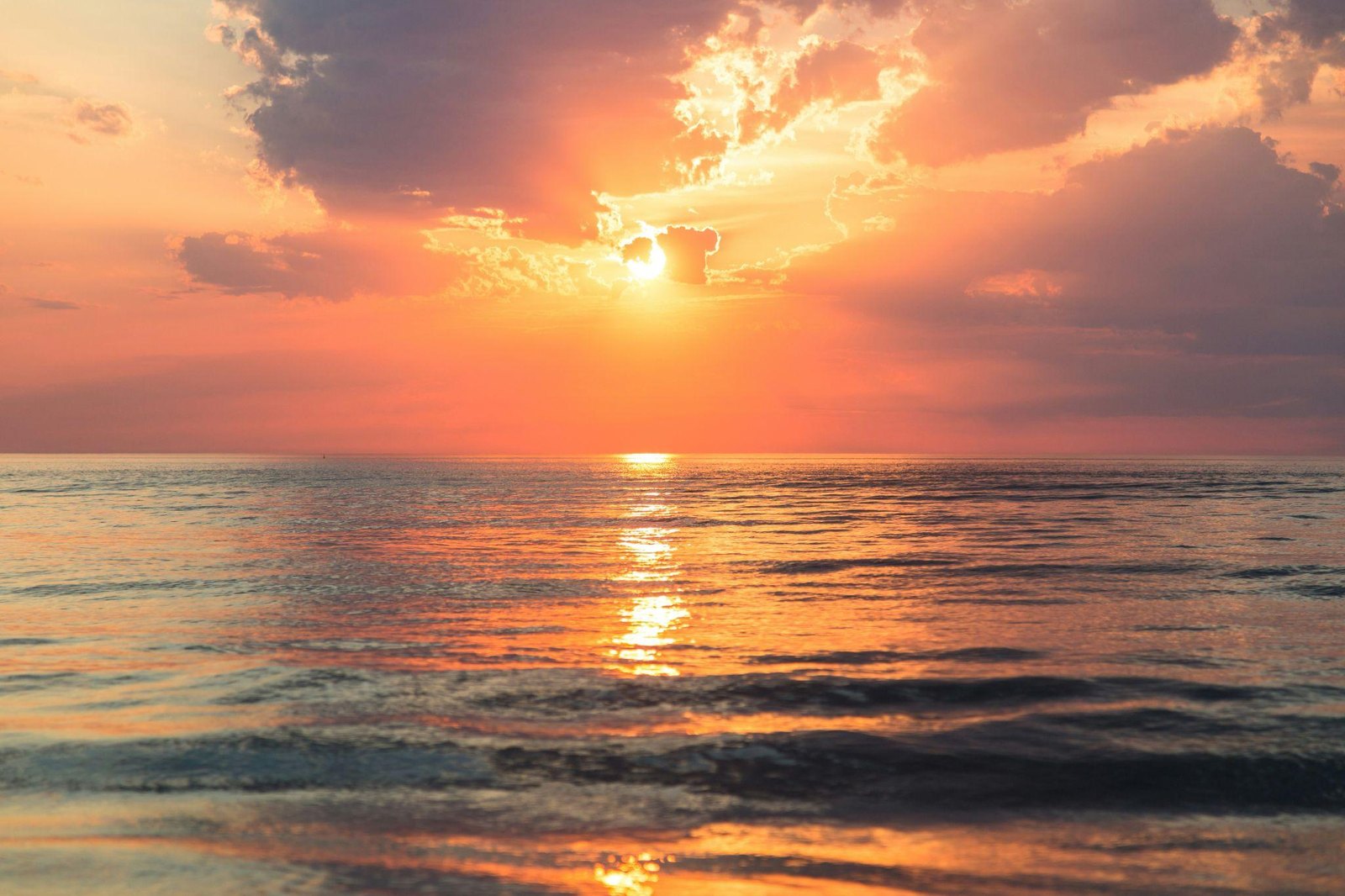
Sunrise and sunset scenes often contain dramatic differences between bright skies and darker foregrounds. Capturing both areas accurately can be challenging because a camera sensor may struggle to record the complete brightness range in a single exposure.
Photographers can address this problem through careful exposure adjustments and an understanding of their equipment’s capabilities.
Shooting in RAW format provides additional flexibility when editing highlights, shadows, and white balance afterward. Exposure bracketing can also be useful for stationary scenes, allowing multiple images to be combined when appropriate.
However, technical settings should support the intended composition rather than becoming the sole focus of the session.
Silhouettes, for example, can transform dark foreground elements into strong visual shapes against colorful skies. In these situations, preserving foreground details may be unnecessary.
Using a tripod can help maintain stability when light levels decrease, particularly during twilight.
Understanding exposure allows photographers to make deliberate artistic choices instead of relying entirely on automatic camera settings.
Protecting Equipment Against Changing Weather and Terrain
Outdoor photography frequently exposes equipment to conditions that can change unexpectedly. Early morning moisture, coastal spray, strong winds, and sudden temperature differences may affect cameras and lenses.
Condensation can become particularly inconvenient when photographers move between warm vehicles and cold outdoor environments. Allowing equipment to adjust gradually can reduce the likelihood of moisture forming on exposed surfaces.
Protective camera bags and suitable weather covers provide additional protection during uncertain conditions.
Tripod stability deserves attention when working near water or on uneven ground. Strong winds can cause unwanted movement, while unstable surfaces may increase the risk of equipment falling.
Carrying a microfiber cloth and basic cleaning supplies can help manage ordinary moisture or dust.
Photographers should also consider the physical weight of their equipment. Transporting several lenses and heavy accessories across difficult terrain may reduce mobility without providing significant creative advantages.
Choosing a manageable equipment selection helps make early morning and late evening sessions more comfortable and efficient.
Developing Patience When the Perfect Moment Never Arrives
Photography often involves waiting for conditions that may never appear. A dramatic sunset can disappear behind unexpected cloud cover, while a promising sunrise may produce only a few minutes of attractive light.
These disappointments are familiar to landscape photographers, particularly those traveling considerable distances to reach specific locations.
Developing patience is essential because environmental conditions remain outside the photographer’s control.
Instead of judging a session entirely by whether the anticipated image was captured, photographers can explore other opportunities. Reflections, unusual cloud formations, silhouettes, and changing atmospheric colors may provide compelling alternatives.
Repeated visits can also reveal how a landscape changes through different seasons and weather conditions.
Keeping notes about successful compositions, lighting directions, and environmental conditions can improve future planning.
Photography becomes more enjoyable when the experience itself carries value, even when the final images differ from the original expectations.
Turning Challenging Light Into Memorable Photographs
The appeal of sunrise and sunset photography lies partly in its unpredictability. Every session offers a different combination of colors, weather, and atmosphere, making familiar locations capable of producing entirely new images.
Successful photographers learn to combine technical preparation with creative flexibility. Understanding exposure, researching locations, and selecting suitable equipment provide a dependable foundation, but observation remains equally important.
Small changes in light can transform a composition. A distant mountain may suddenly become illuminated, while reflections on water can introduce colors that disappear within minutes.
Photographers who remain attentive are better positioned to recognize these brief opportunities.
The experience also encourages a deeper appreciation for natural environments. Watching a landscape gradually emerge from darkness or fade into twilight creates moments that extend beyond the photographs themselves.
Ultimately, chasing the perfect light is not about controlling nature or guaranteeing spectacular results. It is about developing the patience, skill, and curiosity needed to respond when extraordinary conditions appear.
With thoughtful preparation and realistic expectations, sunrise and sunset photography can become one of the most rewarding ways to explore the world through a camera lens.